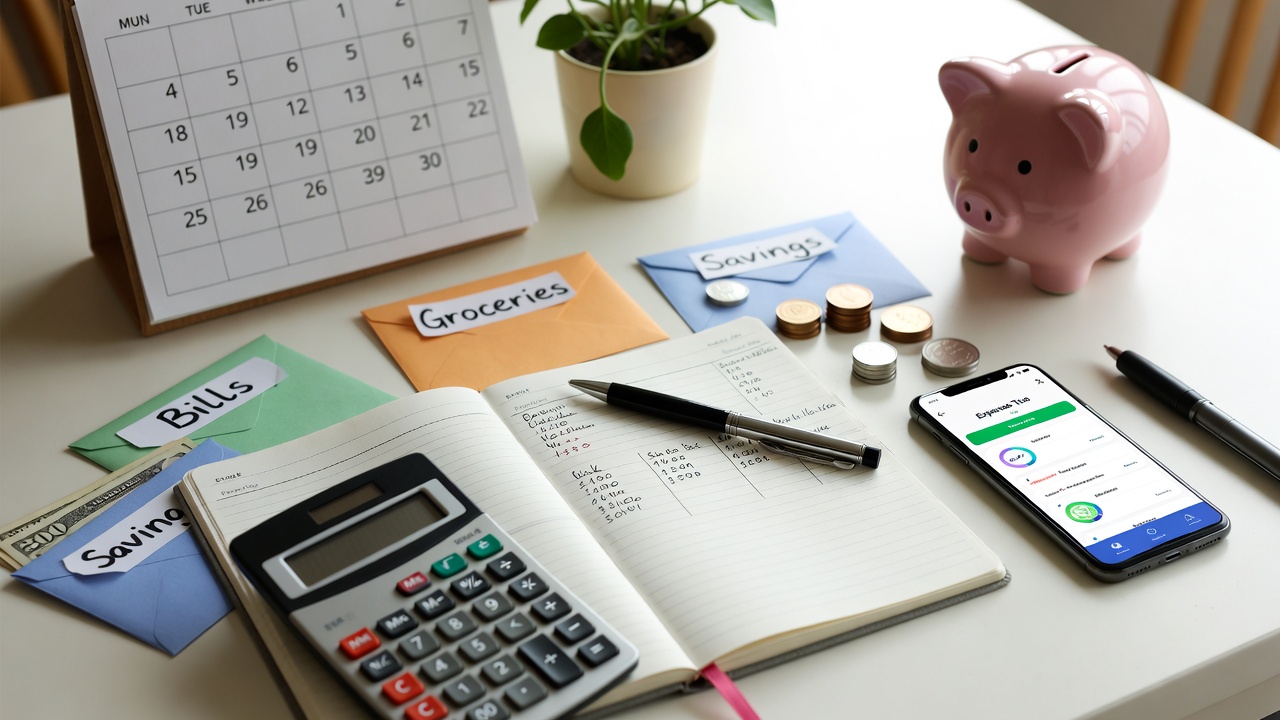
Managing money as a family is very different from managing money alone.
When you’re single, expenses are limited. But when you have a family, costs come from every direction — groceries, school fees, rent, medical bills, electricity, shopping, outings, and unexpected emergencies.
At the end of the month, many families ask the same question:
“Where did all the money go?”
If this sounds familiar, you’re not alone.
The truth is, most families don’t have a spending problem. They have a tracking problem.
When you don’t track daily expenses, money quietly slips away in small amounts. And those small amounts add up fast.
The good news is that you don’t need complicated software or finance knowledge. With simple daily expense tracking methods, you can take control of your money, reduce stress, and start saving regularly.
Let’s explore practical and easy ways any family can follow.
Also Read:
Why Daily Expense Tracking Is Important for Families
Before we jump into methods, let’s understand why tracking matters so much.
Expense tracking helps you:
- Know exactly where money is going
- Identify unnecessary spending
- Control monthly budget
- Save more consistently
- Avoid debt
- Plan for future goals
Without tracking, you’re guessing.
With tracking, you’re in control.
It’s like using a map. Without it, you wander. With it, you reach your destination faster.
Step 1: Start With a Family Budget Plan
Tracking becomes easier when you first create a simple budget.
Sit together as a family and list:
- Total monthly income
- Fixed expenses (rent, EMI, school fees, bills)
- Variable expenses (food, shopping, travel)
- Savings target
This gives you a clear picture of how much you can spend daily.
For example, if you have ₹30,000 for monthly groceries and household items, you know you should stay within ₹1,000 per day.
A budget acts like a spending limit.
Without limits, overspending is easy.
Method 1: Use a Simple Notebook or Expense Diary
This is the easiest and most traditional method.
No apps. No technology. Just a pen and notebook.
Keep a small diary at home and write every expense daily.
For example:
Milk – ₹40
Vegetables – ₹120
Auto fare – ₹60
Snacks – ₹50
At night, total everything.
It may feel small, but this habit creates strong awareness.
When you physically write expenses, you think twice before spending unnecessarily.
This method works best for families who prefer simple and offline tracking.
Method 2: Use Mobile Expense Tracking Apps
If you prefer digital methods, mobile apps are very convenient.
There are many free expense tracker apps available where you can:
- Add daily expenses
- Categorize spending
- Set budgets
- View monthly reports
- Track savings automatically
Apps save time and show charts that help you understand spending patterns.
You can instantly see where most money is going — groceries, eating out, or shopping.
This makes it easier to cut unnecessary costs.
Digital tracking is perfect for busy families.
Method 3: Follow the Envelope System
The envelope system is simple and very effective.
Here’s how it works:
Take cash and divide it into envelopes like:
- Groceries
- Bills
- Transport
- Entertainment
- Household items
Put a fixed amount in each envelope.
Once the envelope is empty, spending stops.
This method controls overspending naturally because you can see money reducing physically.
It builds discipline and works great for families trying to control impulsive expenses.
Sometimes old-school methods work best.
Method 4: Use Spreadsheet or Excel Sheets
If you like organized records, spreadsheets are very useful.
Create a simple sheet with columns like:
Date | Expense | Category | Amount
Update it daily.
At the end of the month, you can:
- Total each category
- Compare with budget
- Identify unnecessary costs
Spreadsheets give more control and flexibility.
You can also calculate savings and plan future expenses easily.
This method is ideal for families comfortable with computers or laptops.
Method 5: Set Daily Spending Limits
Sometimes tracking alone isn’t enough.
You also need spending boundaries.
Divide your monthly budget into daily or weekly limits.
For example:
If your variable expense budget is ₹15,000 per month, you get about ₹500 per day.
Try to stay within this limit.
If you spend less today, you can save or use extra later.
Daily limits prevent surprise overspending at month-end.
It also makes planning easier.
Method 6: Track Weekly Instead of Monthly
Many families only check expenses at month-end.
By then, it’s too late.
Instead, review spending every week.
Weekly reviews help you:
- Correct mistakes early
- Adjust budget
- Control unnecessary spending
- Stay on track
If you overspend this week, you can reduce next week’s expenses.
Small weekly changes make a big difference.
Think of it like regular health checkups for your finances.
Method 7: Involve the Entire Family
Expense tracking should not be one person’s responsibility.
When the whole family participates, results improve.
Teach children basic money awareness.
Discuss spending openly with your partner.
When everyone understands the budget:
- Kids avoid unnecessary demands
- Adults spend more responsibly
- Savings improve automatically
Money management becomes a team effort.
And teamwork always works better.
Method 8: Categorize Needs vs Wants
One powerful habit is separating needs from wants.
Needs are essential:
- Food
- Rent
- Electricity
- Education
- Medicine
Wants are optional:
- Eating out
- Shopping
- Gadgets
- Entertainment
When you track expenses, label them clearly.
You’ll quickly notice how much money goes to “wants.”
Reducing wants even slightly can increase savings a lot.
This awareness alone can transform your finances.
Method 9: Automate Savings First
One smart trick is saving before spending.
As soon as salary comes:
- Transfer a fixed amount to savings
- Invest automatically
Then spend what’s left.
If you wait to save at month-end, you may save nothing.
Automation makes saving effortless.
It ensures your family always moves forward financially.
Common Mistakes Families Should Avoid
While tracking expenses, avoid these mistakes:
- Ignoring small expenses
- Not updating daily
- Depending only on memory
- Not reviewing reports
- Hiding spending from family
- Giving up after one month
Consistency is key.
Tracking works only when done regularly.
Conclusion
Daily expense tracking may sound boring at first, but it’s one of the most powerful habits for financial stability.
You don’t need complicated systems.
Start simple.
Use a notebook, app, or spreadsheet. Pick what suits your family.
Track daily. Review weekly. Adjust monthly.
Small improvements create big savings over time.
When you know exactly where your money goes, you automatically make smarter decisions.
Less stress. More savings. Better future.
That’s the real goal.
Because at the end of the day, money management isn’t about restriction — it’s about freedom and security for your family.
Also Read: